
United States Air Force Roundel Patch

- SKU:
- 14268
- MPN:
- 14268
- Width:
- 3.00 (in)
- Height:
- 1.50 (in)
- Depth:
- 0.08 (in)
- Backing:
- Iron On
- Edging:
- Cut Edge






Description
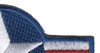
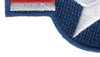
The United States Air Force Roundel Patch displays the classic USAF identification marking—the blue circle with white star and red center—that appeared on aircraft fuselages throughout Air Force history. The roundel is the visual signature of the Air Force, recognized instantly by anyone familiar with military aviation. Aircraft markings have carried the roundel since the beginning of USAF operations, and it remains the fundamental identification symbol that distinguishes American aircraft from all others.
Roundel markings served practical purposes during combat—rapid aircraft identification from distance. The design also carried psychological weight—the American roundel was visible proof of air superiority in any theater where American aircraft operated. Pilots, ground crews, and ground forces saw the roundel painted on their support aircraft and understood the capabilities that came with Air Force support.
The patch renders the classic roundel in correct proportions and colors—blue field, white star, red center, and proper geometric relationships that match official specifications.
The roundel is foundational to USAF identity. Every pilot, mechanic, or support person who served in the Air Force encountered the roundel daily. It appeared on aircraft they maintained, flew, supported, or depended on for operational effectiveness. Wearing the roundel patch is wearing the simplest and most direct symbol of Air Force service.
PopularPatch features the USAF roundel because it's the fundamental symbol that unites all Air Force personnel across specialties, eras, and assignments.
1 Review
-
Quality...Quality...Quality
Received patches not only in a very timely fashion, but these beauties are the best quality patches I have ever bought. These folks rock. If they have it, you better get it here..They could change their name to PerfectPatches.
Related Products


