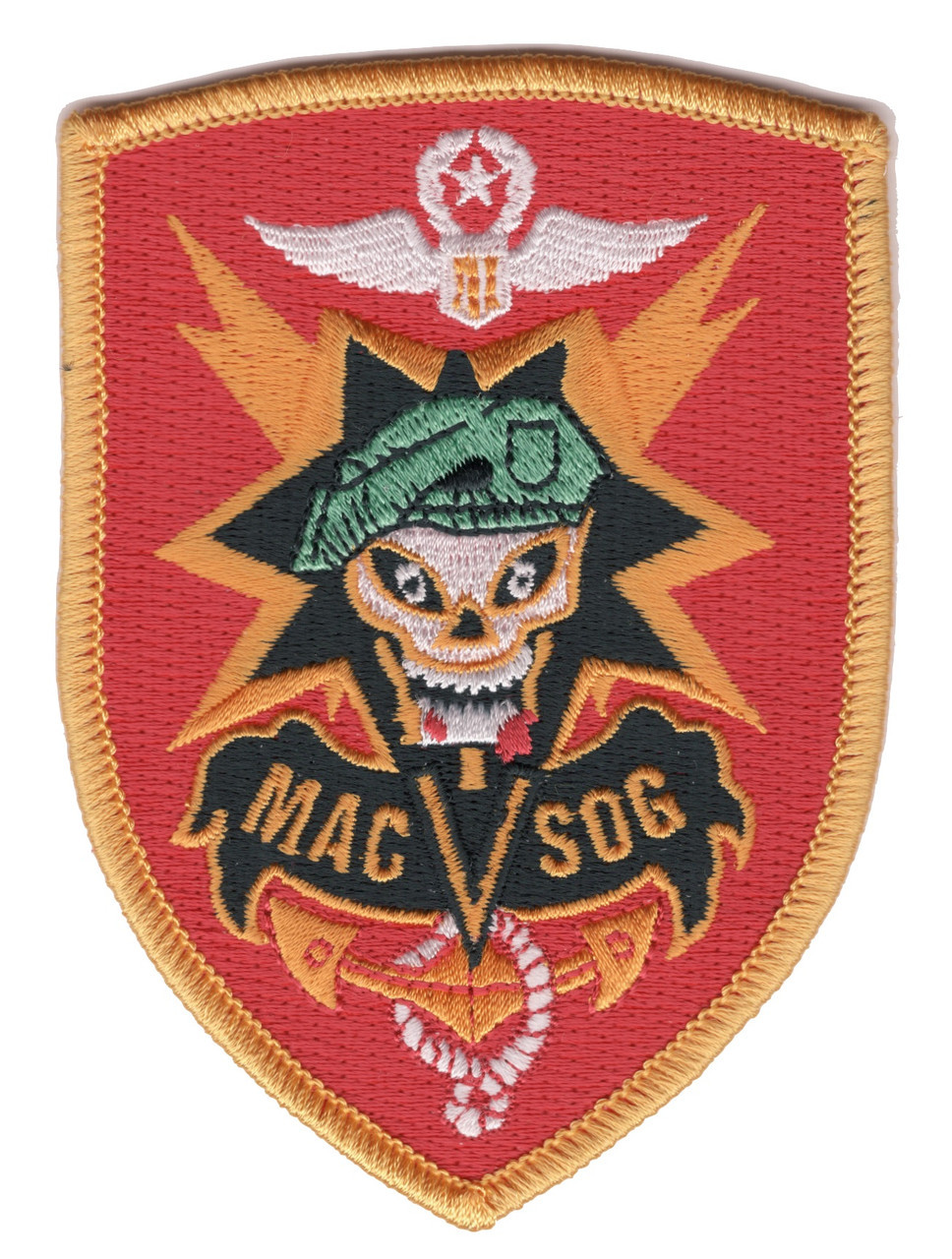
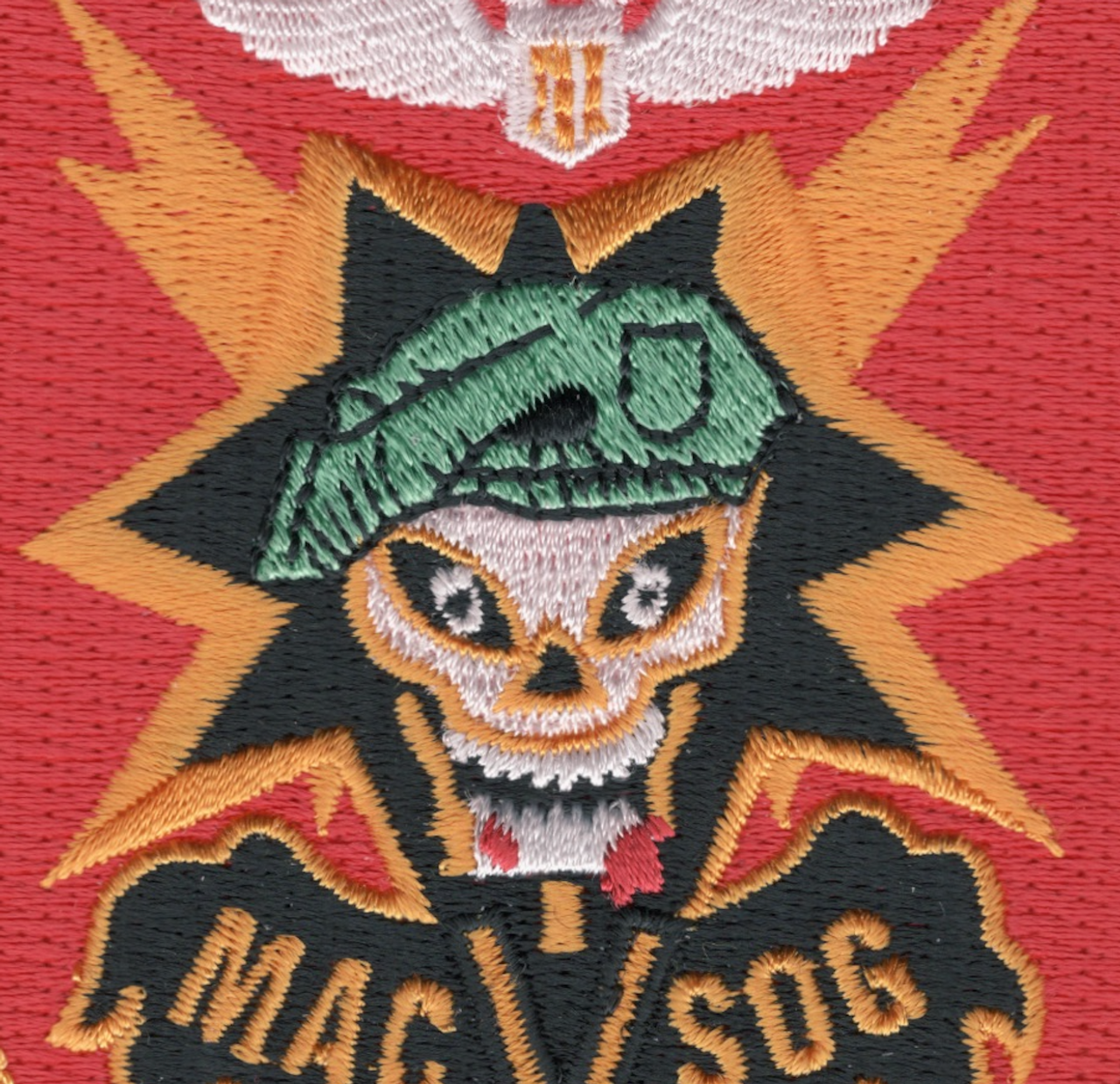
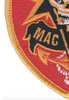
MAC SOG Patch

- SKU:
- 9928
- MPN:
- 9928
- Width:
- 3.00 (in)
- Height:
- 4.00 (in)
- Depth:
- 0.08 (in)
- Backing:
- Iron On
- Edging:
- Merrowed Edge

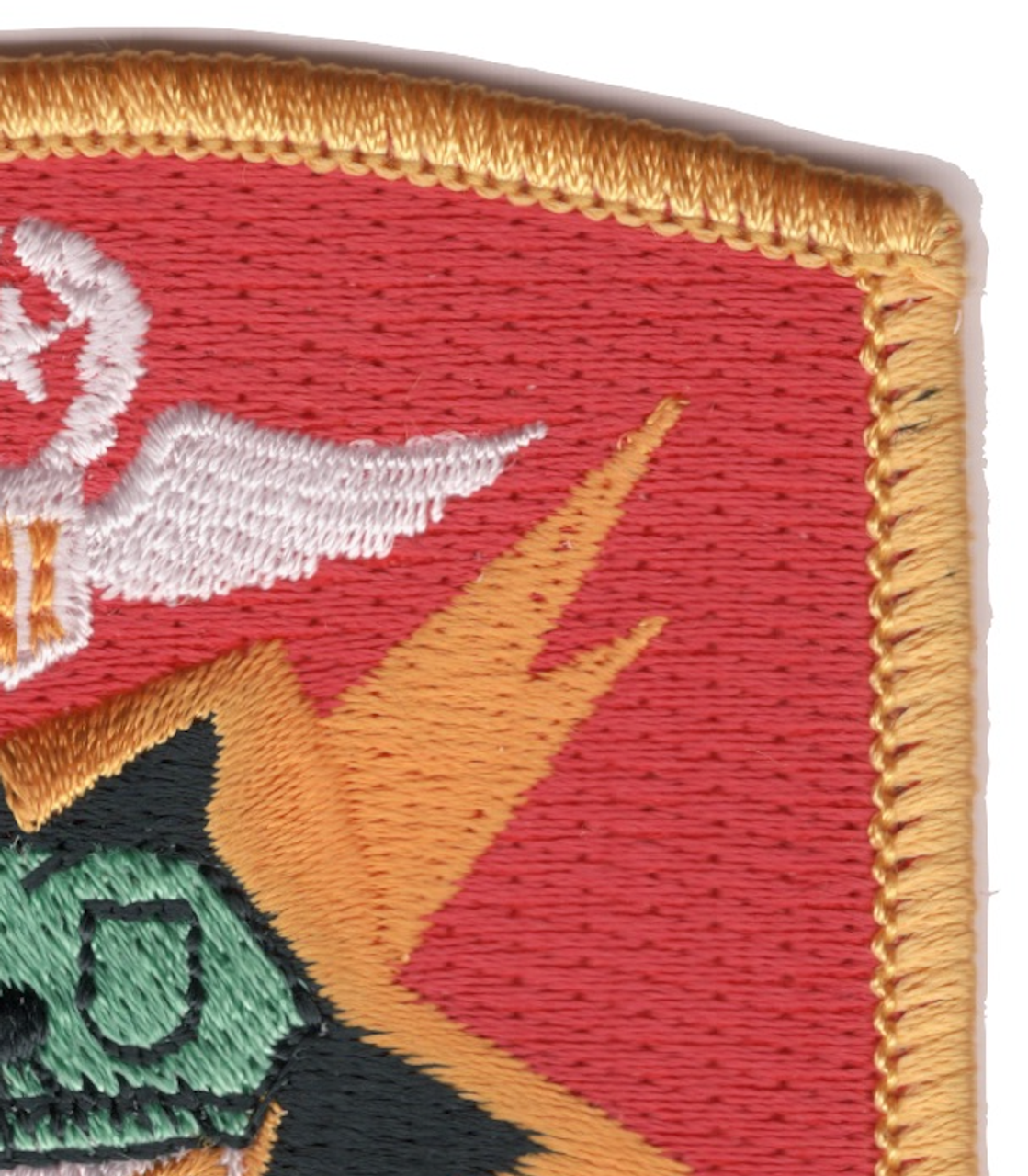
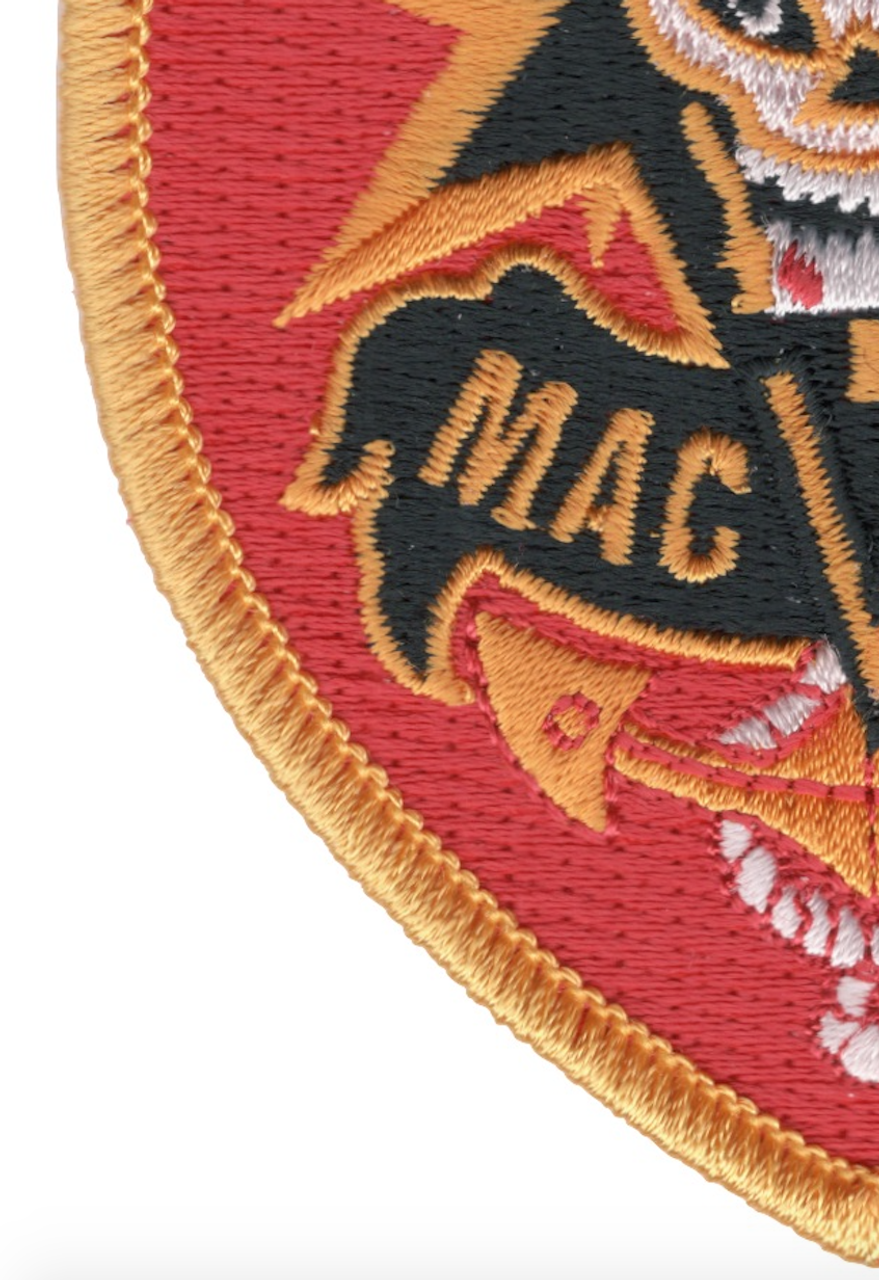
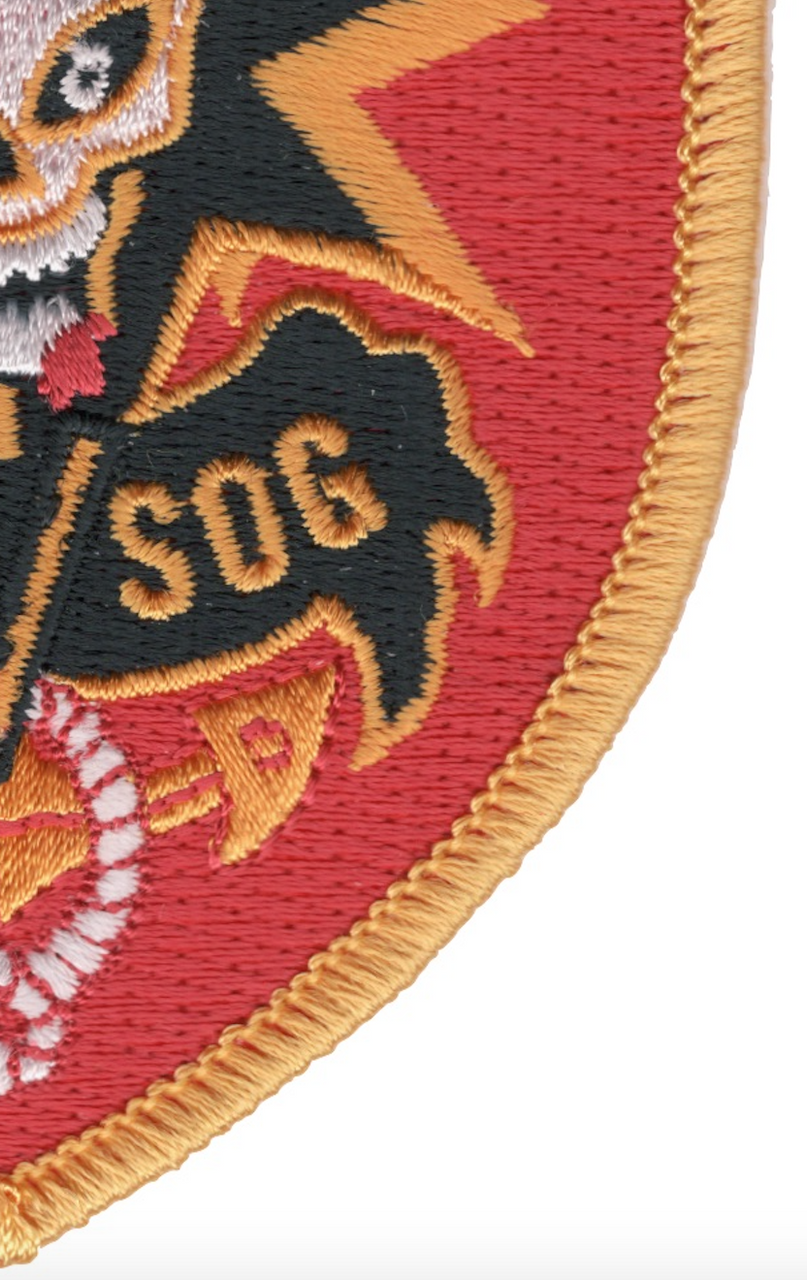



Description
During the Vietnam War, some of the most consequential missions conducted by the United States were never meant to be acknowledged. Hidden behind layers of classification and silence was the Military Assistance Command, Vietnam – Studies and Observations Group, known simply as MACV-SOG. It was not a conventional unit, nor was it confined to the boundaries of Vietnam. It existed in the shadows of the Cold War, where deniability was as critical as courage, and success often meant no record at all.
Formed in 1964, MACV-SOG was tasked with conducting covert and unconventional operations across Southeast Asia, including Laos, Cambodia, and North Vietnam itself—areas officially off-limits to U.S. forces. Its personnel were drawn from the most capable elements of the U.S. military, including Army Special Forces, Navy SEALs, Marine Force Recon, Air Force personnel, and CIA-linked assets, alongside indigenous and allied forces. These teams operated deep behind enemy lines, gathering intelligence, rescuing prisoners, sabotaging infrastructure, and disrupting enemy logistics along the Ho Chi Minh Trail.
The nature of SOG operations demanded absolute professionalism and adaptability. Reconnaissance teams were often small, isolated, and outnumbered, relying on stealth, discipline, and mutual trust to survive. Extraction was never guaranteed. Missions were planned with the understanding that if things went wrong, help might not come. Many operations were officially denied, even as they influenced the course of the war in ways that would not be publicly understood for decades.
MACV-SOG became synonymous with innovation in special operations. Techniques, equipment, and doctrines developed within the group would later shape modern U.S. special operations forces. The lessons learned in jungle warfare, cross-border reconnaissance, and interagency coordination became foundational as the United States redefined how it conducted irregular and asymmetric warfare in the years that followed.
Despite the intensity of their service, members of MACV-SOG returned home without parades, headlines, or public acknowledgment. Their missions remained classified long after the war ended, and many carried experiences they could not discuss even with family. Decorations were often delayed, downgraded, or obscured to protect operational secrecy. Yet within the special operations community, the legacy of SOG endured—spoken of quietly, with respect.
Today, MACV-SOG stands as one of the most storied organizations in American military history, not because of what was claimed, but because of what was endured. It represents a chapter where service was measured not by recognition, but by results achieved in silence, under impossible conditions, in defense of national objectives that demanded discretion above all else.
Related Products