
F/A-18 Hornet No Airframes No Airplanes Patch

- SKU:
- 6712
- MPN:
- 6712
- Width:
- 4.00 (in)
- Height:
- 4.00 (in)
- Depth:
- 0.08 (in)
- Backing:
- Iron On
- Edging:
- Merrowed Edge

Related Products
Request We Make It
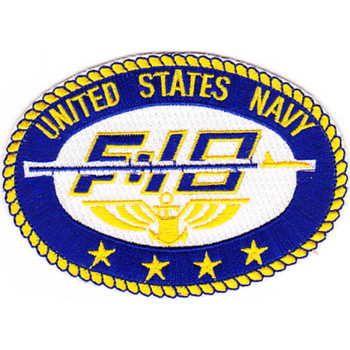
F-18 Hornet Patch
$8.95
F-35 ITandE Cold Weather patch—the segment that proved the aircraft could survive and operate in the harshest climates. Cold weather testing was about validating that every system—avionics,...
Request We Make It
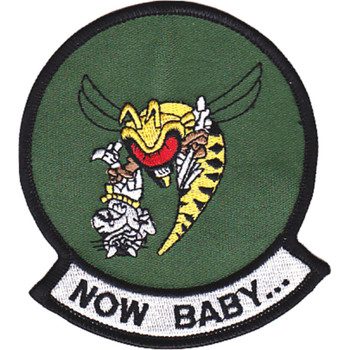
F/A-18 Hornet Now Baby Patch
$10.95
USN patch F/A-18 HORNET NOW BABY - Green twill background with silver stitching tab beneath and a yellow, black, and red hornet holding a grey cat.

F-14 TOMCAT Airframe Patch
$10.95
There was a time when air superiority had a face—and it wore swept wings, twin tails, and the unmistakable growl of raw power. The F-14 Tomcat was not just an aircraft; it was the backbone of naval...

F/A-18 Hornet VF-82 Detailed Side view Patch
$15.95
An excellently detailed side view of the McDonnell Douglas' F/A-18 Hornet airframe used by VFA-82 Marauders.
Request We Make It
