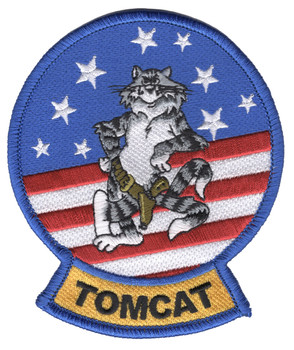
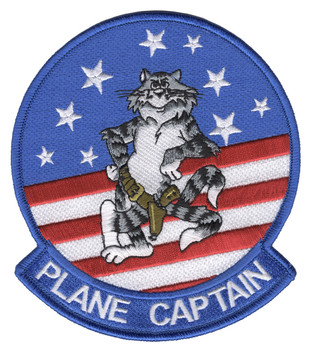
F-14 TOMCAT Airframe Patch

- SKU:
- 1343
- MPN:
- 1343
- Width:
- 4.00 (in)
- Height:
- 5.00 (in)
- Depth:
- 0.08 (in)
- Backing:
- Iron On
- Edging:
- Merrowed Edge




Description
There was a time when air superiority had a face—and it wore swept wings, twin tails, and the unmistakable growl of raw power. The F-14 Tomcat was not just an aircraft; it was the backbone of naval air dominance for a generation. When the Tomcat ruled the skies, carrier strike groups sailed with confidence, knowing that nothing hostile came close without being seen, tracked, and—if necessary—destroyed.
Born from the hard lessons of Vietnam and the Cold War standoff with the Soviet Union, the F-14 was designed to do one thing above all else: own the air. Its variable-sweep wings allowed it to loiter patiently or sprint at blistering speed. Its radar could see farther than anything else in the fleet. Armed with the AIM-54 Phoenix, the Tomcat could destroy multiple targets at ranges previously unthinkable. Enemy bombers never needed to see the carrier—because the Tomcat would see them first.
The phrase “When you’re out of F-14s, you’re out of fighters” wasn’t bravado. It was doctrine. The Tomcat stood as the fleet’s outer shield, the last line between hostile aircraft and the carriers that projected American power across the globe. From the North Atlantic to the Persian Gulf, Tomcats launched day and night, in foul weather and calm seas, standing combat air patrols that kept threats at bay long before missiles were ever fired.
In combat, the Tomcat proved it belonged. Over the skies of the Middle East, it scored decisive air-to-air victories and enforced no-fly zones that reshaped regional power balances. During decades of Cold War tension, its very presence altered enemy planning. Later, as conflicts evolved, the Tomcat adapted—dropping precision ordnance in Iraq and Afghanistan, proving it was more than a fighter. It was a warplane that refused to be boxed into a single role.
Life around the Tomcat forged legends of its own. Pilots and Radar Intercept Officers formed a bond unique to the aircraft—two warriors in one cockpit, trusting each other completely at supersonic speed. Maintainers kept the jet alive through sheer skill and stubborn determination, wrestling complex systems into readiness on pitching flight decks. Squadrons built identities around the Tomcat that endure long after its retirement.
When the F-14 finally left service, something more than an aircraft disappeared. An era ended. The fleet gained new capabilities—but lost a symbol. Because everyone who served around the Tomcat understood the truth behind the saying: when the Tomcat was gone, the air fight would never feel the same again.
The F-14 Tomcat Airframe patch honors that legacy. It represents the aircraft that defined naval air combat, the crews who trusted it with their lives, and the era when American carriers sailed knowing their fighters ruled the sky.
Related Products