
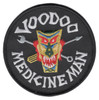
F-101 Voodoo Medicine Man Embroidered Patch

- SKU:
- 5990
- MPN:
- 5990
- Width:
- 4.00 (in)
- Height:
- 4.00 (in)
- Depth:
- 0.08 (in)
- Backing:
- Iron On
- Edging:
- Merrowed Edge







Description
The F-101 Voodoo was the aircraft that Air Defense Command trusted to intercept Soviet bombers at altitude, and the men who kept it flying were called medicine men long before anyone put it on a patch. McDonnell's Voodoo was a handful from the start -- a supersonic interceptor that demanded skilled hands and hard-won knowledge from every crew chief and specialist who owned a spot on its flight line. It served with Air Defense Command wings across the northern tier, flew nuclear strike profiles with Tactical Air Command in Europe, and performed some of the most consequential reconnaissance missions of the Cold War as the RF-101C. The aircraft had a reputation, and so did the people who kept it airborne.
The RF-101C flew unarmed, low, and fast over Cuba in October 1962, bringing back the imagery that confirmed Soviet missile installations -- missions flown out of Shaw AFB and MacDill by pilots who knew exactly what they were flying into. The interceptor variants served with Air Defense Command squadrons from Selfridge and Richards-Gebaur to Minot and Oxnard, flying nuclear-armed alert through the late 1950s and 1960s alongside the F-106 Delta Dart. The Air National Guard flew the Voodoo into the late 1970s, long after active duty wings had moved on, and the maintainers who kept those jets operational in Guard units worked with aging airframes and shrinking parts pipelines. They made it work anyway.
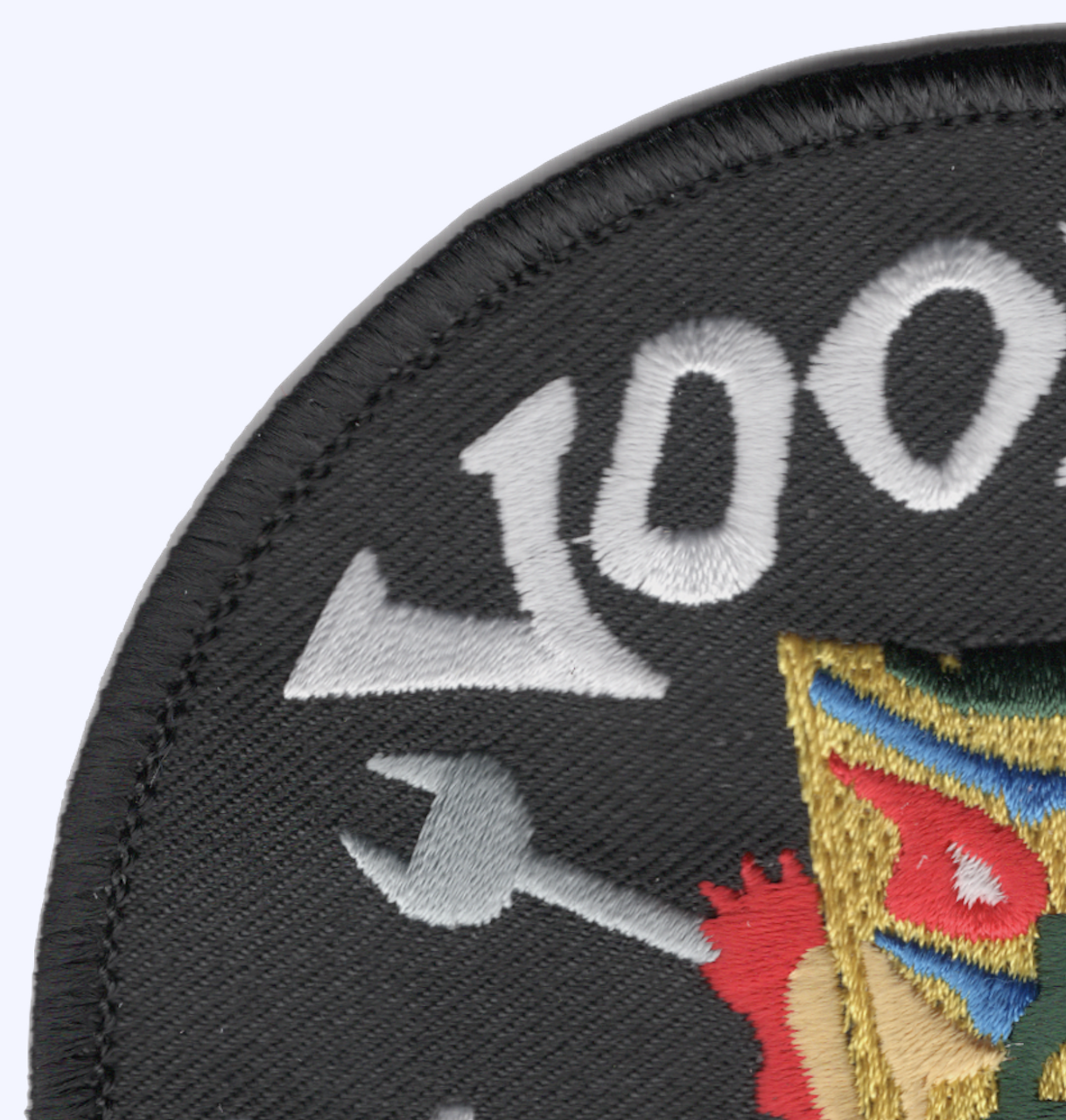
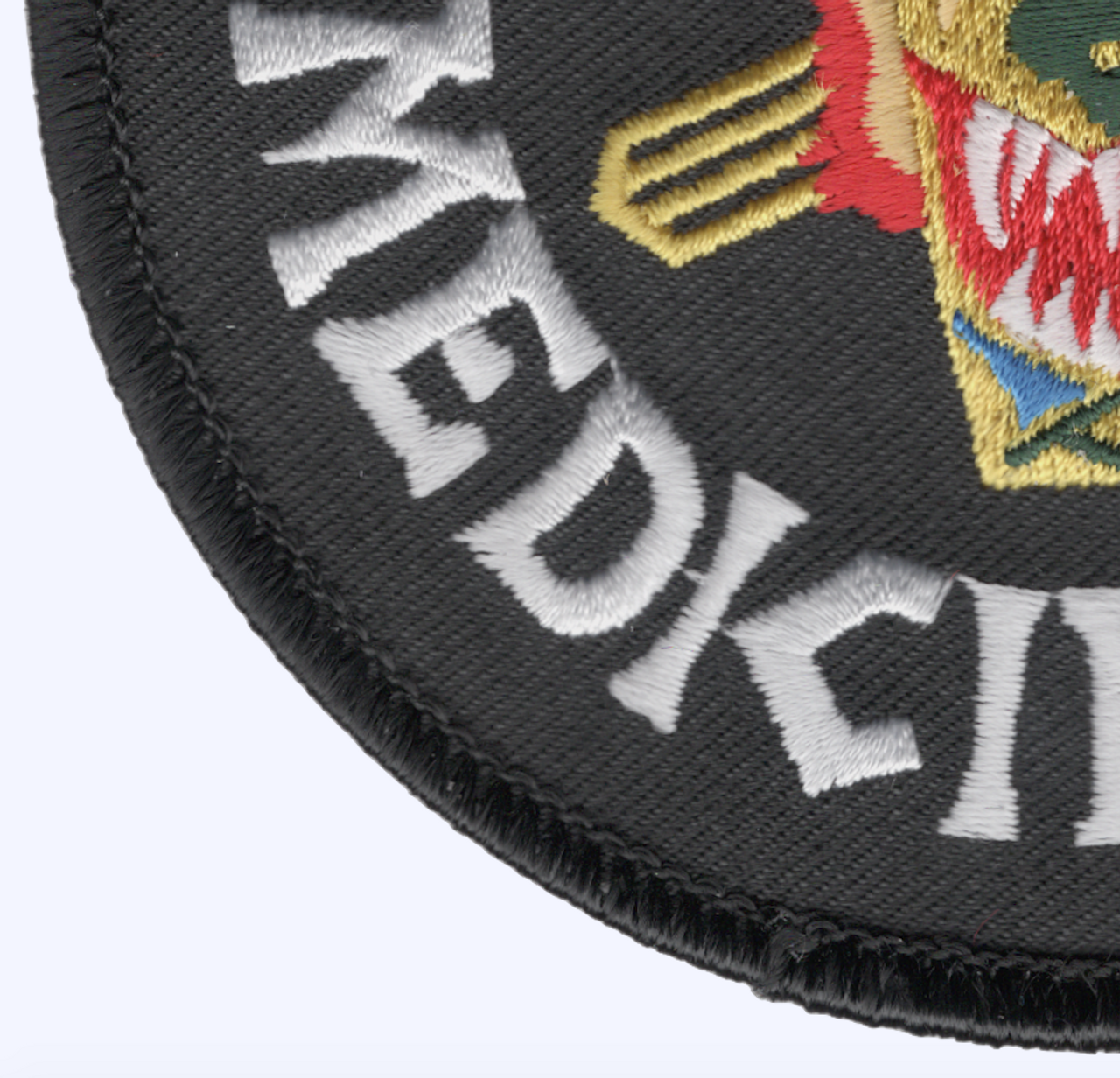
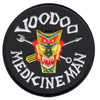
This patch is a 4-inch black round with a merrowed black border framing the full design. At center sits a voodoo tribal mask embroidered in red, yellow, blue, and deep green -- expressive, a little wild, unmistakably intentional. Behind the mask, a wrench and a screwdriver cross like a pair of sabers, calling out the maintainer identity directly. White lettering curves along the top arc reading 'VOODOO' and along the bottom arc reading 'MEDICINE MAN,' the hollow-outlined lettering giving it weight without looking like a tourist patch. The whole design reads as something the flight line actually owned, not something designed from the outside looking in.
Being a Voodoo maintainer meant working an aircraft that was fast, complex, and unforgiving of shortcuts. The J57 turbojets that powered the early variants were powerful but demanding, and the aircraft's systems required people who understood the jet at a level beyond the technical orders. Wings that flew the Voodoo built tight cultures around that shared knowledge -- the kind of culture where the medicine man title meant something specific and earned. When those wings transitioned or closed under force structure changes, the identity didn't disappear with the jets. It went with the people.
This patch mounts cleanly in a shadow box beside other Cold War-era patches -- a Voodoo wing crest, an ADC emblem, a unit DI -- or it goes on the vest you wear to squadron reunions where someone will see it and ask where you were stationed. It also works as a gift for a son or daughter who has been trying to understand what their father actually did during those alert years. One sentence and this patch does the rest of the explaining.
Related Products


